
Vehicle-to-Grid Charger Deployment: Site and Utility Considerations
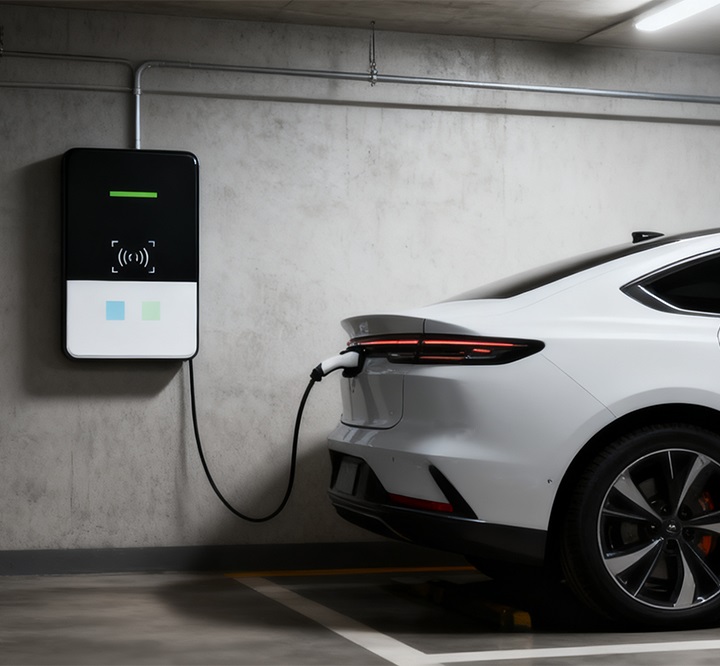
A vehicle-to-grid charger allows electric vehicles to exchange power with the grid, turning parked EV batteries into flexible energy resources. Deployment planning requires detailed evaluation of electrical capacity, utility approval, communication systems, and customer usage patterns. In 2024, global EV sales exceeded 17 million units, creating a large potential storage network if charging infrastructure is designed for bidirectional operation.
Electric vehicle charging infrastructure is changing from simple electricity consumption equipment into a system that can support grid operations. Traditional chargers only transfer electricity from the grid to the vehicle, while a vehicle-to-grid charger enables two-way energy flow between EV batteries, buildings, and utility networks.
A properly planned site can support services such as peak demand reduction, renewable energy balancing, and emergency power support. According to industry studies, a single EV battery with a capacity of 60–100 kWh can store several times more energy than many household battery systems. When thousands of vehicles are connected, the combined storage capacity can reach utility-scale levels.
The first step in deployment is evaluating the physical site conditions. Parking duration, vehicle availability, electrical infrastructure, and local energy demand patterns determine whether a location is suitable.
| Site type | Typical V2G advantage |
|---|---|
| Fleet depots | Predictable charging schedules and high battery capacity |
| Workplace parking | Long parking periods during daytime renewable generation |
| University campuses | Stable vehicle patterns and centralized management |
| Commercial buildings | Ability to combine EV charging with building energy systems |
Fleet facilities are often selected for early projects because vehicles usually follow fixed routes and return to the same location daily. A delivery fleet with 200 electric vans, each equipped with a 75 kWh battery, could provide approximately 15 MWh of stored energy if fully connected.
The electrical system at the installation site must be reviewed before chargers are installed. Transformers, distribution panels, feeders, and protection equipment need to support both electricity consumption and electricity export.
For example, 100 bidirectional chargers rated at 11 kW could create more than 1 MW of charging capacity. If multiple vehicles discharge energy at the same time, the local network must also manage reverse power flow. Utility engineers usually perform load analysis and power flow studies before approving large installations.
“V2G projects require the same level of electrical planning as other distributed energy resources because power can move in two directions.”
Transformer capacity is not the only factor affecting site selection. Voltage stability, power quality, and available grid connection capacity also influence project design.
In many regions, utilities are developing new procedures for connecting bidirectional charging equipment. The approval process may include technical reviews covering voltage limits, protection settings, communication requirements, and operating schedules.
The regulatory environment varies between countries and electricity markets. Some regions allow EV aggregators to participate in demand response programs, while others are still developing compensation models. In 2023, several European and North American utilities expanded pilot programs testing EV participation in grid services.
The connection between chargers and utility systems depends on reliable communication. Modern V2G networks require data exchange between vehicles, chargers, energy management platforms, and utility operators.
Communication standards such as ISO 15118 support advanced charging functions, including vehicle identification, charging control, and bidirectional energy management. A connected charging network must also maintain cybersecurity measures such as encrypted communication and user authentication.
A commercial vehicle-to-grid charger typically includes bidirectional power electronics, control software, and communication functions that allow coordinated charging and energy export. These systems are different from standard AC chargers because they must safely manage changes in electricity direction.
Battery performance is another factor considered during V2G deployment. Frequent charging and discharging may affect battery aging, but the impact depends on charging speed, depth of discharge, temperature, and battery chemistry.
Research on lithium-ion batteries shows that moderate energy cycling can be managed without major reductions in battery lifespan when operating conditions are controlled. Many V2G programs limit discharge levels, for example using only 10–30% of available battery capacity for grid services.
| Factor | Typical consideration |
|---|---|
| Battery capacity | Larger batteries provide more available energy |
| Discharge range | Limited cycling reduces battery stress |
| Temperature control | Maintains battery efficiency |
| Charging schedule | Avoids unnecessary energy exchange |
Economic planning determines whether a V2G project can move from testing to commercial operation. The installation cost of bidirectional chargers is currently higher than conventional charging equipment because additional power conversion and control components are required.
However, revenue opportunities may come from several sources:
-
Demand response programs
-
Grid frequency support
-
Renewable energy balancing
-
Reduced building electricity demand during peak hours
A workplace with 500 connected EVs may provide several megawatts of flexible capacity depending on battery size and availability. The financial model depends on local electricity prices, utility programs, and vehicle participation rates.
Customer participation is also important because EV owners must allow controlled charging and discharging. Programs generally provide financial incentives while allowing users to set minimum battery levels for personal transportation needs.
Surveys conducted in different EV markets show that battery availability and vehicle readiness are common concerns among drivers. Clear charging preferences, automatic scheduling, and transparent payment systems can improve participation rates.
Utility planning will become increasingly important as EV adoption grows. The International Energy Agency reported that global electric car stock exceeded 40 million vehicles in 2023, increasing the need for better coordination between transportation and electricity systems.
Distribution networks designed decades ago were mainly built around one-way electricity delivery. Large numbers of EVs require utilities to improve monitoring tools, forecasting methods, and grid management platforms.
“A connected fleet of EV batteries can support the electricity network, but only when charging infrastructure and utility systems are designed together.”
Future V2G projects are expected to rely more on aggregation platforms. Individual vehicles provide limited capacity, but thousands of connected vehicles can operate as a coordinated energy resource.
Virtual power plants combining EV chargers, renewable generation, and stationary batteries are being tested in several markets. These systems allow utilities to manage distributed energy resources through centralized software platforms.
Successful deployment depends on cooperation among vehicle manufacturers, charger providers, site owners, and utilities. Technical standards, reliable communication, and suitable business models will determine how quickly V2G technology expands.
By 2030, many energy forecasts expect millions of EVs to participate in managed charging programs. As charging infrastructure develops, vehicle batteries may become an important part of future electricity networks, supporting renewable integration and improving grid flexibility.
Working on something similar?